

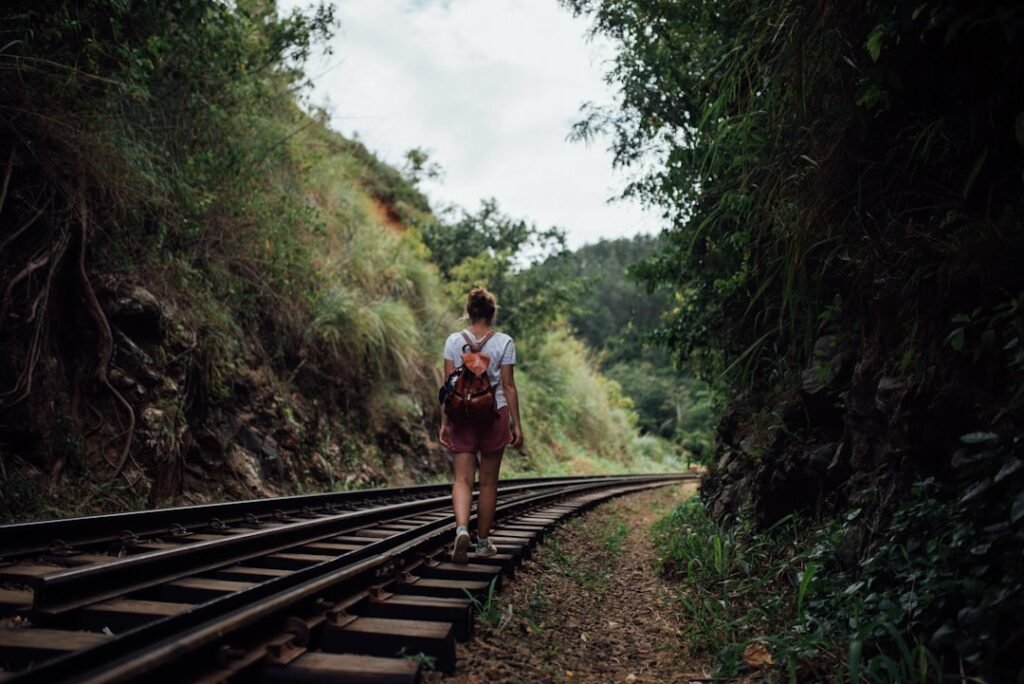
Sri Lanka is a land of incredible diversity, where lush tea plantations, golden beaches, and ancient ruins coexist. While many believe monsoons can derail a vacation, the island’s unique dual monsoon system actually ensures that there is always a dry, sunny region to explore, regardless of the month. By understanding these regional climate patterns, you can curate a perfectly timed adventure.
The Dual Monsoon System Explained
Sri Lanka’s weather is governed by two monsoon winds that impact different parts of the island at different times. To enjoy the best weather, simply follow the “dry” side of the island.
- The Yala Monsoon (May–August): This system brings rain to the southwest coast and central highlands. During these months, the northern and eastern regions experience their driest, sunniest weather.
- The Maha Monsoon (October–January): This northeast monsoon brings rain to the north and east. Simultaneously, the southern and western coasts enjoy their primary dry season, making it a popular time for visitors.
- Inter-Monsoon Seasons (October–November): Transition periods can bring unpredictable afternoon thunderstorms. However, mornings are usually bright, and the landscapes are lush and green.
When to Visit Key Regions
Because the island’s weather is highly localized, we recommend planning your itinerary by region:
- South and West Coasts (Dec–April): Ideal for visiting Galle Fort and beach towns like Mirissa, Unawatuna, and Bentota. The ocean is calm, and the weather is reliably dry.
- Cultural Triangle (Jan–Sept): This region features stable weather for most of the year. Avoid November and December, when rains make climbing historical sites like Sigiriya slippery.
- The Hill Country (Jan–April): This is the best window for clear skies, which are essential for hiking Ella Rock or photographing the Nine Arches Bridge.
- The East Coast (May–Sept): This is the premier summer destination. From Arugam Bay’s surf to Trincomalee’s calm waters and Pigeon Island’s snorkeling, this region is at its best during these months.
Wildlife and Marine Life Seasons
Timing your visit can significantly improve your chances of spotting Sri Lanka’s incredible wildlife:
- Yala & Udawalawe National Parks: The best viewing is between February and July, when dry conditions force animals to congregate around waterholes.
- The Elephant Gathering (Minneriya): Between July and September, hundreds of wild elephants gather at the Minneriya reservoir. August is the peak month for this natural spectacle.
- Whale Watching: Follow the calm seas. Visit the south coast (Mirissa) from December to April and the east coast (Trincomalee) from June to September.
Packing for Microclimates
Sri Lanka’s geography means you may experience tropical heat and mountain chills in the same trip. Pack accordingly:
- Coastal/Cultural Zones: Prioritize lightweight, breathable cotton and linen to manage the humidity.
- Hill Country: Pack a fleece or light jacket for chilly evenings in Ella and Nuwara Eliya.
- Religious Sites: Always carry a sarong or large scarf to cover your shoulders and knees—this is mandatory at sacred sites.
- Versatile Gear: Bring a packable raincoat, sturdy walking shoes for ancient ruins, and reef-safe sunscreen for beach days.
Practical Travel Logistics
While the weather is the foundation of your plan, logistics are just as important. Travel times between regions are often longer than they appear on a map due to winding roads and local traffic. We recommend a “slow travel” approach—spend three to four days in one region to truly absorb the culture rather than rushing between destinations. Finally, always maintain a respectful attitude toward dress codes, particularly at revered sites like the Temple of the Sacred Tooth Relic; modesty is a sign of respect and also offers protection from the harsh midday sun.
Conclusion
There is no “bad” time to visit Sri Lanka; there is only the right region for the right month. By aligning your travel dates with the regional dry seasons, you ensure the best possible experience. Whether you are chasing surf in the east or hiking the misty central highlands, this island is ready to provide an unforgettable adventure year-round.