
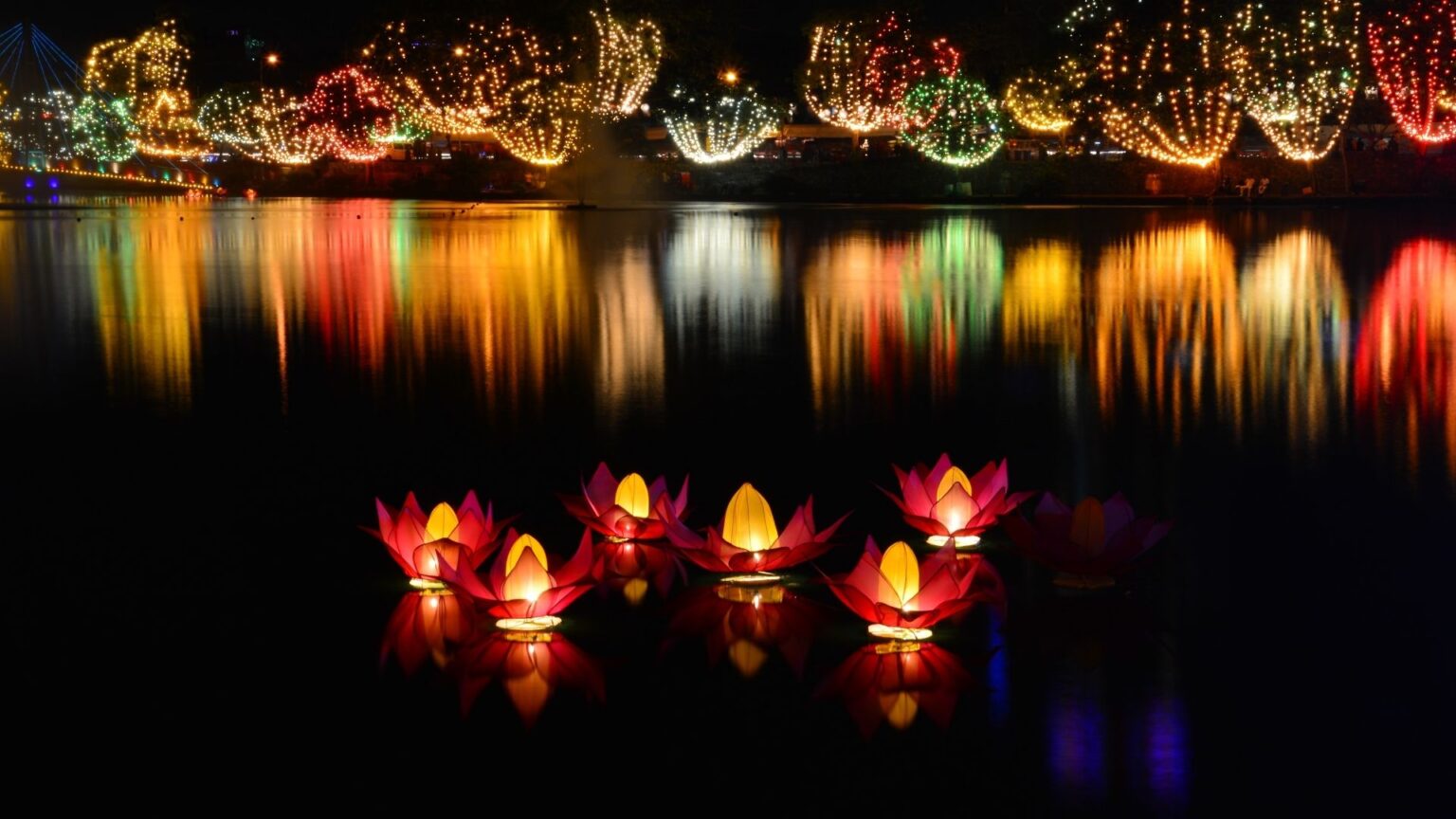
Sri Lanka loves a good celebration. Because it is home to Buddhists, Hindus, Muslims, and Christians, there is almost always a festival happening. The calendar is packed with holidays revolving around the lunar cycle and changing seasons. Attending a local festival is the best way to understand the culture. You get to see ancient traditions, taste holiday foods, and watch massive parades. Guidebooks give you basic facts, but watching a fire dancer in Kandy or lighting a clay lamp in Colombo is a completely different experience. You see communities come together. Matching your trip dates with a major event is a great idea. Here is a guide to the biggest festivals in Sri Lanka.
1. Sinhala and Tamil New Year (Avurudu)
Every mid-April, the country shuts down for the Sinhala and Tamil New Year. This festival marks the end of the harvest season and the start of the new solar year. Both Sinhalese Buddhists and Tamil Hindus celebrate it. People clean their houses and buy new clothes. Astrologers calculate specific lucky times for everything. There is a lucky time to light the kitchen fire, eat the first meal, and start working again. Everyone tries to do these things at the exact same minute. The food is a major highlight. Families make milk rice called kiribath and fry sweet oil cakes called kavum. You will hear firecrackers constantly. In the villages, people organize street games like pillow fights, tug of war, and climbing a greasy pole.
2. Vesak Poya (The Festival of Lights)
Vesak is the most important Buddhist festival in Sri Lanka. It takes place during the full moon in May. It celebrates three massive events in the life of the Buddha: his birth, enlightenment, and passing away. The island transforms into a festival of lights. People hang colorful paper lanterns, called Vesak kudu, in front of their homes. In cities like Colombo, you will see giant illuminated displays called pandals. These pandals have thousands of flashing lights and tell stories from the Buddha’s past lives. Another amazing part of Vesak is the food stalls called dansal. People set up these stalls by the road and give away free food and drinks to anyone passing by. Devout Buddhists dress in simple white clothes and spend the day at the temple meditating.
3. Poson Poya
Poson Poya happens during the full moon in June. It is the second most important Buddhist holiday here. This festival celebrates the exact moment Buddhism was brought to Sri Lanka in the third century BC. The biggest celebrations happen in the ancient cities of Anuradhapura and Mihintale. Mihintale is a rocky hill where the Indian monk Mahinda first preached to the king. During Poson, thousands of pilgrims travel to Mihintale. They wear white clothes and climb the stone steps to the top. Just like Vesak, you will see beautiful lanterns and giant lighted pandals across the country. You will also find many free food stalls on the roadsides. However, Poson is generally quieter. It focuses much more on religious devotion and quiet reflection.
4. The Kandy Esala Perahera
If you want to see a massive spectacle, this is the festival to attend. The Esala Perahera takes place in Kandy during July or August. It is one of the oldest and grandest festivals in all of Asia. The festival lasts for ten days and gets bigger every single night. It honors the Sacred Tooth Relic of the Buddha, kept in the Temple of the Tooth. The main event is a giant street parade that happens after dark. You will see hundreds of traditional Kandyan dancers spinning and jumping. There are loud drum groups, acrobats, and men walking with flaming torches. Whip crackers walk at the front to clear the way. The highlight is a large group of elephants. The elephants wear bright costumes covered in tiny lights. One special elephant carries a replica of the tooth relic.
5. The Nallur Festival
The Nallur Festival is the biggest Hindu celebration in the northern part of the country. It takes place at the Nallur Kandaswamy Temple in Jaffna. This festival is incredibly long, lasting for twenty-five days in August and September. It honors the Hindu god of war, Lord Murugan. Thousands of devotees pack the temple grounds. Men wear white sarongs and take off their shirts, while women wear their brightest saris. The energy is intense. Over the twenty-five days, there are many different parades. Large statues of the gods are placed on heavy wooden chariots. Hundreds of men pull these massive chariots through the streets using thick ropes. Some devotees show extreme faith by driving metal skewers through their cheeks or hanging from hooks in their backs. They dance to loud drums while in a trance.
6. The Kataragama Festival
Kataragama is a small town in the deep south. In July or August, it hosts a very unique festival. What makes Kataragama special is that it brings different religions together. Buddhists, Hindus, Muslims, and the indigenous Vedda people all come here to worship God Kataragama. Pilgrims travel from all over the island. Some walk for weeks through jungles to reach the temple. The festival features loud music, dancing, and elephant parades. The most famous part of the festival is the fire walking. Devotees fast and pray for days to prepare themselves. Then, they walk barefoot across a long pit of burning hot coals to prove their faith. They believe the god protects them from getting burned. It is a thrilling event to watch.
7. Thai Pongal
Thai Pongal is a major Hindu festival celebrated mostly by the Tamil community. It happens in January and lasts for three days. It is a harvest festival dedicated to the Sun God, Surya. The main focus is preparing a special dish called pongal. People boil rice in a clay pot over an open fire. They add fresh milk, brown cane sugar, cashews, and spices. The goal is to let the pot boil over the top. This spilling over represents good luck, wealth, and a good harvest. Families decorate the entrances of their homes with colorful sand art. They also dress up in new clothes and visit local Hindu temples for special prayers.
8. Deepavali
Deepavali, also known as Diwali, is the famous Hindu festival of lights. It takes place in late October or November. It celebrates the victory of light over darkness and good over evil. The Tamil community in Sri Lanka celebrates it by cleaning their homes and lighting dozens of small clay oil lamps. They place these lamps in their doorways and windows. Families wake up very early, take an oil bath, and go to the temple. Afterwards, they share sweet snacks and large meals with their friends and neighbors. You will also see a lot of fireworks lighting up the night sky.
Travel Tips for Festival Season
If you want to see these festivals, plan early. Hotels in Kandy during the Esala Perahera sell out months in advance. Traffic gets very bad in cities during big parades. Always dress respectfully when visiting temples or religious ceremonies. Wear clothes that cover your shoulders and knees. Be prepared for massive crowds. Keep your bag close to you and stay hydrated, as it gets very hot standing in the sun. Remember that on Poya days and during some festivals, the government bans the sale of alcohol and fresh meat.
Final Thoughts
Sri Lanka is a busy, noisy, and colorful place during a festival. You will hear loud drums, smell burning incense, and see thousands of lights. It gives you a great look at how important religion is to the locals. Make sure you add at least one celebration to your plans.