
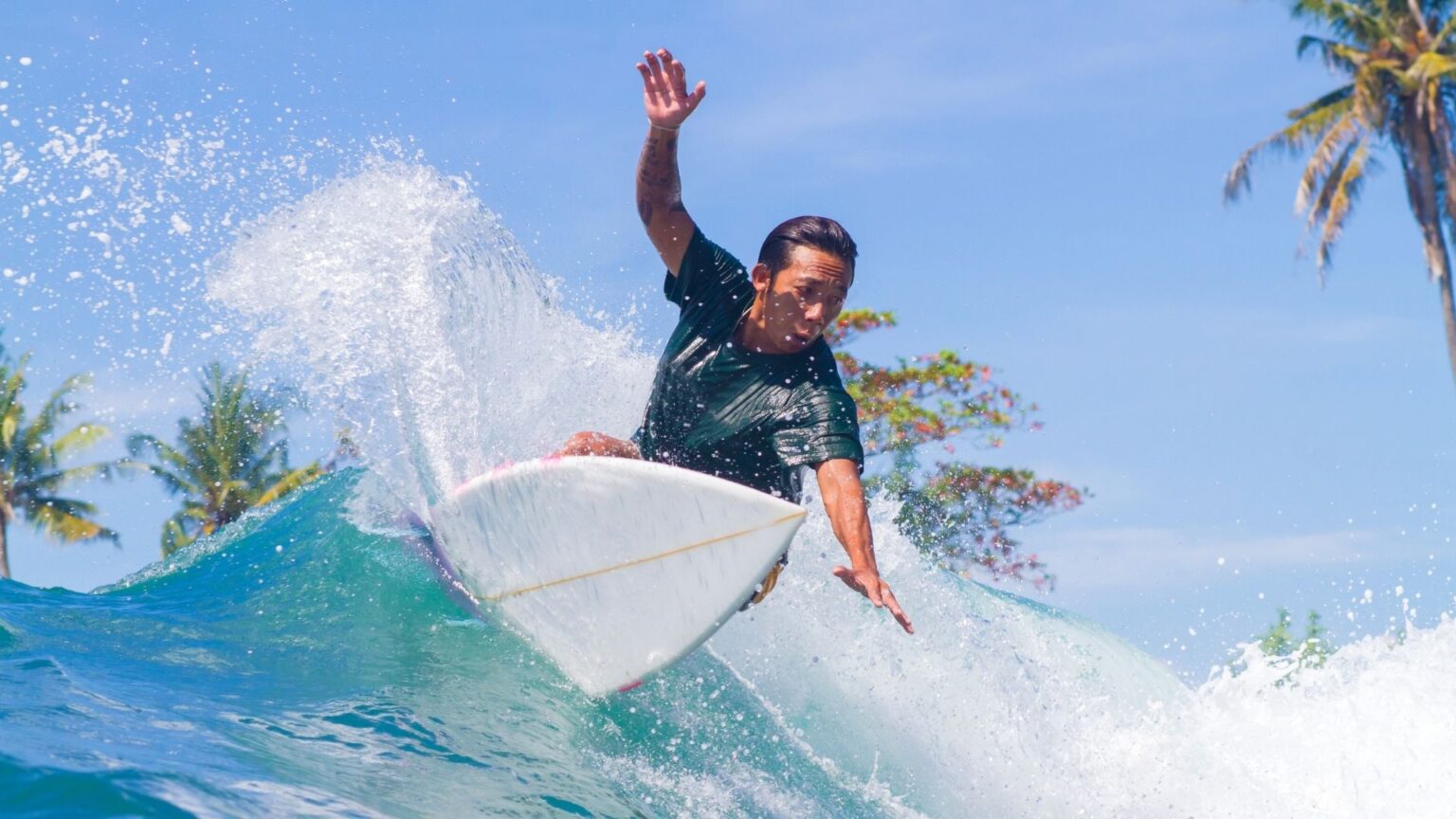
Sri Lanka is a highly reliable surfing destination, offering consistent swells, warm water, and a diverse range of waves year-round. However, planning a surf trip here requires a strict understanding of the island’s dual monsoon system. If you arrive on the wrong coast during the wrong month, you will find blown-out waves, heavy rain, and closed businesses.
This guide strips away the marketing fluff and breaks down exactly where you should surf, when to visit, and the practical logistics of navigating the lineups. Whether you are catching your first wave on a forgiving sand bottom or looking for advanced reef breaks, here are the best beaches to surf in Sri Lanka and how to strategically plan your trip around them.
Understanding Sri Lanka’s Surf Seasons
The most critical factor in your planning is timing. The island is divided into two distinct surfing regions, each governed by a different monsoon. Understanding this weather pattern is non-negotiable for a successful surf trip.
The South and West Coasts (November to April)
During the Northern Hemisphere’s winter, the south and west coasts of Sri Lanka offer the optimal conditions. The offshore winds create clean, glassy waves. The main surfing hub stretches from Hikkaduwa all the way down to Tangalle. If you are traveling during this window, you must base yourself in the south.
The East Coast (May to October)
When the southwest monsoon hits the lower half of the island, the surf goes flat, the winds turn onshore, and the weather turns stormy. The primary swell shifts entirely to the East Coast, specifically centered around Arugam Bay. This region comes alive from May to October, offering some of the longest point breaks in the world, while the south coast essentially shuts down for surfing.
Best Surf Spots on the South and West Coasts
Weligama: The Beginner Hub
Weligama is a massive, sweeping bay that serves as the undisputed beginner capital of Sri Lanka. The entire bay features a forgiving sand bottom, meaning you do not have to worry about crashing onto sharp coral or sea urchins. The waves here are typically gentle, rolling beach breaks that provide long, slow rides, making it the perfect environment for longboarding and learning the absolute basics of the sport.
The main drawback to Weligama is the intense crowd. During peak season, the water is packed with dozens of surf schools, instructors, and beginners. To avoid the heaviest traffic, you must get in the water at 5:30 AM or 6:00 AM. Board rentals are available directly on the beach, with dozens of stalls offering everything from high-volume soft-tops to advanced shortboards.
Dewata Beach (Galle): The City Surf
Located just outside the historic Galle Fort, Dewata Beach is another excellent option for absolute beginners. Similar to Weligama, it is a protected bay with a safe, sandy bottom. Because it is located near a major city, the water quality is occasionally lower after heavy rains, but the waves are incredibly consistent and soft. It is an ideal spot to spend a few hours practicing pop-ups before heading into Galle Fort for lunch and cultural exploration.
Midigama: The Advanced Playground
Located just a short, ten-minute tuk-tuk ride west of Weligama, Midigama is geared heavily toward intermediate and advanced surfers. It features several distinct breaks within a very small radius. The most famous is Lazy Left, a deep-water reef break that offers long, peeling left-handers. Directly across the bay is Lazy Right, which provides a slightly shorter, punchier ride.
For highly experienced surfers looking for steep drops and barrels, Rams Right is a fast, shallow reef break located directly in front of the famous Rams guesthouse. It is strictly not for beginners, as the reef is sharp and unforgiving. Midigama has a much quieter, more focused surf culture compared to the bustling, party-heavy atmosphere of Weligama.
Mirissa: The Scenic Right-Hander
Mirissa is world-famous for its whale watching and nightlife, but it also hosts a highly reliable, picturesque right-hand point break. The wave breaks over a shallow reef point right next to the main tourist beach. It is a fast, fun wave, but the takeoff zone is incredibly tight, and it gets crowded very quickly.
Because of the sea urchins covering the reef at this specific break, wearing reef booties is highly recommended. Mirissa is best suited for intermediate surfers who are comfortable navigating a crowded lineup and dealing with a reef bottom.
Hikkaduwa: The Original Surf Town
Hikkaduwa was one of the very first towns in Sri Lanka to develop a dedicated surf tourism industry. Located on the southwest coast, it offers a reliable A-frame reef break that works consistently throughout the winter season. The main break can handle much larger swells than the southern beaches and provides steep takeoffs for aggressive shortboarding.
While Hikkaduwa is highly accessible and has excellent tourism infrastructure, it suffers from intense localized crowding. You must respect the local surfers, wait your turn patiently, and never drop in, as the lineup hierarchy here is strictly enforced by the local community.
Hiriketiya: The Horseshoe Bay
Hiriketiya is a stunning, horseshoe-shaped bay located further east toward the town of Dikwella. It features two main breaks: a softer, beginner-friendly beach break in the center of the bay, and a fast, hollow left-hand reef break on the western point.
While the aesthetics of the bay are beautiful, the physical space is incredibly narrow. During peak season, the sheer volume of surfers in the water can make it frustrating and borderline dangerous. It is a great spot if you time it right—usually very early mornings or late afternoons—but you must prepare for heavy traffic in the water.
Best Surf Spots on the East Coast
Arugam Bay (Main Point): The World-Class Wave
Arugam Bay is the undisputed crown jewel of Sri Lankan surfing. From May to October, this remote eastern town transforms into a bustling international surf hub. The Main Point is a legendary right-hand point break that peels over a reef, offering incredibly long rides that can last up to 400 meters on a good day.
This specific wave is strictly for advanced surfers. The takeoff is steep, the reef is shallow, and the current can be aggressive. The lineup is highly competitive, often filled with professional surfers, so strong paddling fitness and excellent wave etiquette are absolutely mandatory.
Whiskey Point and Pottuvil Point
If Main Point is too heavy or crowded for your skill level, Arugam Bay serves as a basecamp for several nearby, more forgiving breaks. A 15-minute tuk-tuk ride north takes you to Whiskey Point. This is a much softer right-hand point break, perfect for beginners and intermediates. The wave breaks off a rock outcrop and rolls gently toward the beach, making it ideal for longboarding.
Further north is Pottuvil Point. This break requires a much larger ocean swell to start working, but when it does, it provides an incredibly long, fast, and uncrowded right-hander for experienced surfers.
Peanut Farm and Elephant Rock
Located south of Arugam Bay, Peanut Farm requires a bumpy tuk-tuk ride through a sandy jungle track, which adds significantly to the adventure. You will often see wild elephants roaming near the path on the way. The spot features two main breaks: a punchy main point and a softer inside section, catering to all levels.
Slightly further down the coast is Elephant Rock, an incredibly scenic right-hand point break. It requires a short hike over sand dunes to reach. It is a fantastic spot for intermediate surfers, offering a playful wave in a stunning, isolated environment away from the main town crowds.
Practical Surfing Logistics in Sri Lanka
Board Rentals vs. Bringing Your Own
If you are an advanced surfer with highly specific equipment needs, you should absolutely bring your own board. However, for beginners and intermediates, renting locally is the most practical choice. Sri Lanka has excellent surf infrastructure. Beachfront stalls in Weligama, Hikkaduwa, and Arugam Bay rent boards for roughly LKR 1,000 to LKR 2,000 per hour, or you can negotiate a much cheaper daily rate. Ding repair shops are everywhere and can fix fiberglass and epoxy boards cheaply and quickly overnight.
Getting Around with a Surfboard
You do not need to rent a car to transport your boards around the island. Most tuk-tuks operating in the designated surf towns are equipped with specially designed roof racks that can comfortably hold two to three surfboards. A short tuk-tuk ride between breaks, for example from Weligama to Midigama, costs roughly LKR 500 to LKR 1,000. Always negotiate the price with the driver before getting in the vehicle.
Water Temperature and Necessary Gear
You can confidently leave your wetsuit at home. The Indian Ocean around Sri Lanka remains a constant, bath-like 27°C to 29°C year-round. Boardshorts or a standard swimsuit, combined with a high-quality UV rash guard to protect against the intense tropical sun, are all you need. Zinc-based sunscreen for your face is essential, as standard sunblock will wash off immediately. If you plan to surf the shallow reef breaks like Mirissa, Midigama, or Arugam Bay, packing a pair of reef booties is a very smart decision to protect your feet against sharp coral and sea urchins.
Local Etiquette and Safety
Sri Lankan surf lineups are generally welcoming, but standard international surf etiquette applies strictly. Never drop in on another surfer, respect the locals who surf these waves daily, and apologize immediately if you make a mistake. Be aware of rip currents, especially at expansive beach breaks like Weligama, and always ask a local surf instructor or shop owner about the specific hazards of a new spot before you paddle out.
Need Help Planning Your Sri Lanka Surf Itinerary?
Mapping out a successful surf trip requires coordinating airport transfers directly to coastal towns, securing accommodations near the best breaks, and understanding the seasonal weather shifts to ensure you are on the correct side of the island.
If you want to focus entirely on catching waves without dealing with the administrative fatigue of ground logistics, we can help. At Lanka Essence Tours, we design practical, customized itineraries that handle your transport, vetted accommodations, and local guidance. Browse our core tour packages today, and let us build a seamless route for your Sri Lankan surfing adventure.