
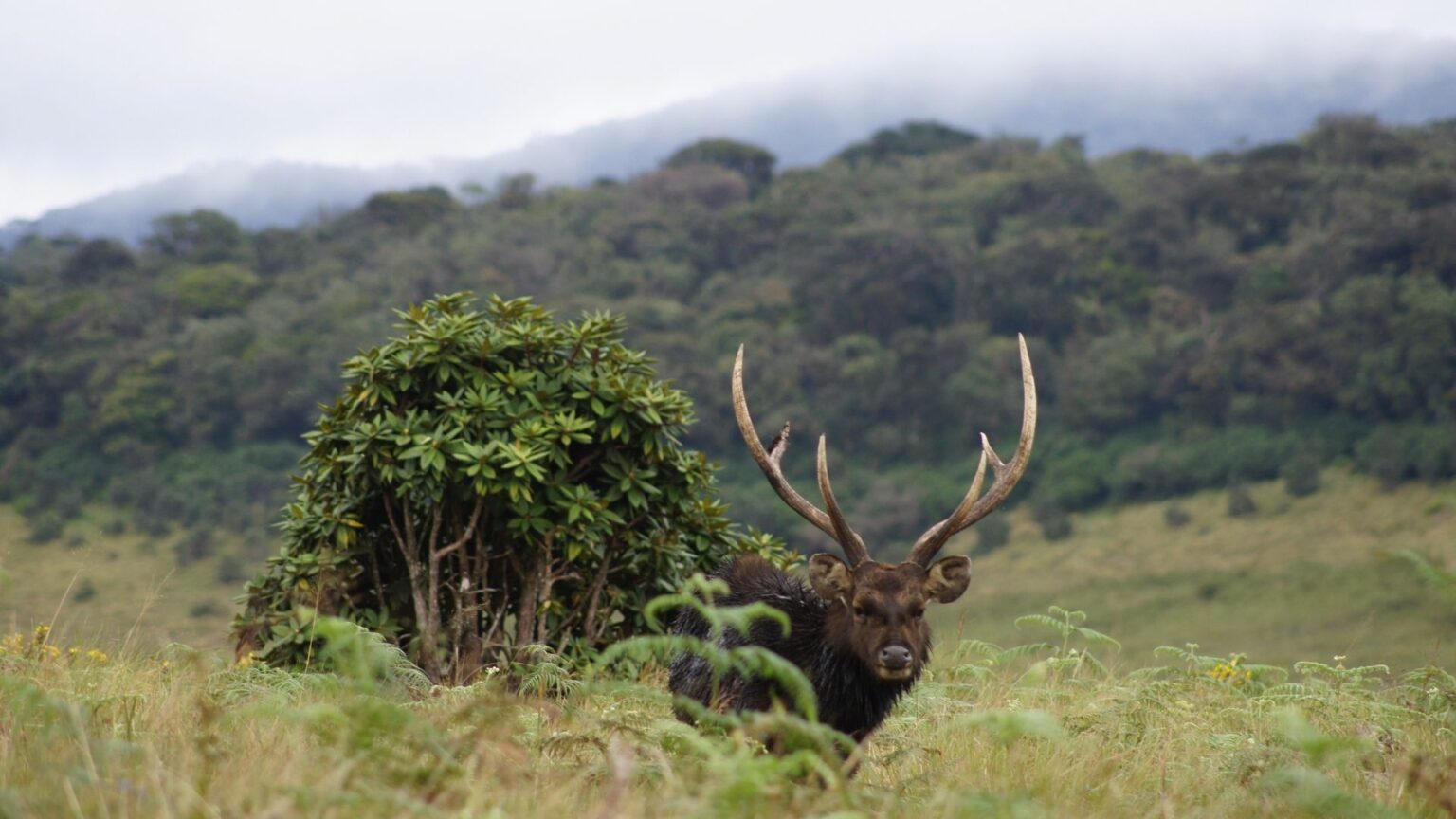
Sri Lanka offers some of the most accessible and spectacular wildlife viewing opportunities in the world. However, choosing the right national park can be the most confusing part of planning your itinerary. Every park has a different primary focus, varying crowd levels, and specific seasonal peaks. You do not need to visit all of them; you just need to select the one that aligns with the animals you want to see and your tolerance for crowds.
Whether you are determined to track leopards, want guaranteed close encounters with wild elephants, or prefer a silent, crowd-free wilderness, this guide breaks down the best national parks in Sri Lanka to help you make a practical, informed decision.
1. Yala National Park: The Leopard Capital
Yala National Park is Sri Lanka’s most visited and famous wildlife reserve, located on the southeast coast. Spanning over 975 square kilometers, this massive park features a diverse landscape that shifts from dry scrub jungle to open grasslands and coastal lagoons bordering the Indian Ocean.
The primary reason travelers flock to Yala is its leopard population. It boasts one of the highest densities of leopards in the world, specifically in Block 1, which is the most popular area open to tourists and holds an estimated 25 to 30 leopards. If seeing a leopard is your top priority, Yala traditionally offers an excellent chance. Beyond leopards, the park is home to elephants, sloth bears, wild water buffalo, crocodiles, and over 215 bird species.
However, Yala’s popularity comes with significant drawbacks. It is notorious for heavy crowds, and it is common to experience traffic jams where dozens of vehicles crowd around a single leopard sighting. To maximize your experience, book an early morning safari or consider a full-day tour to explore deeper into the park when the crowds thin out for lunch. Keep in mind that the park typically closes for maintenance during September and October.
For practical logistics, the town of Tissamaharama acts as the primary base for Yala safaris. You will find numerous guesthouses and hotels here that can easily arrange your morning pickup. When preparing for Yala, temper your expectations regarding exclusivity; expect to see more jeeps than animals at times, and prioritize the overall landscape and diverse wildlife rather than focusing solely on the leopard.
2. Wilpattu National Park: The Quiet Wilderness
If you want to avoid the chaotic crowds of Yala but still want excellent leopard and bear sightings, Wilpattu National Park is the superior choice. Located in the northwest, Wilpattu is the largest national park in Sri Lanka, covering over 1,300 square kilometers. It is characterized by its unique “villus”—natural, sand-rimmed lakes scattered throughout the dense, ancient jungle.
Wilpattu offers a vastly different emotional experience than Yala. It is quiet, immersive, and receives only a fraction of the visitors. You can often drive for hours without seeing another jeep. Because there is less vehicle noise and fewer radio networks scrambling jeeps together, wildlife encounters here feel much more intimate and authentic.
While Yala is historically known as the top leopard spot, recent reports suggest Wilpattu is becoming equally reliable, with some guides estimating a very high probability of sightings. It is also one of the absolute best places in Asia to spot the rare and elusive sloth bear, especially during the Palu fruit season from May to August when bears climb trees to feed. Wilpattu rewards patience and is ideal for travelers who appreciate the raw, breathing wilderness over guaranteed, rapid-fire sightings.
Because of its northern location, Wilpattu is often skipped by travelers who focus exclusively on the southern beaches, but this is exactly what keeps its trails quiet. You can base yourself in the nearby town of Anuradhapura, or for a more immersive experience, book a safari lodge just outside the park gates. The combination of dense forest, sudden wildlife appearances, and the shimmering villus makes Wilpattu an unforgettable, premium safari choice for those willing to venture off the primary tourist circuit.
3. Udawalawe National Park: Guaranteed Elephant Encounters
If elephants are your main objective, you should skip Yala and head directly to Udawalawe National Park. Located in the south-central region, Udawalawe is roughly a third of the size of Yala, covering 308 square kilometers, but it holds an incredibly high density of elephants.
The park’s landscape consists mostly of wide-open plains, marshes, and grasslands centered around the massive Udawalawe Reservoir. This lack of dense forest, combined with the permanent water source, makes spotting wildlife incredibly easy. There is a resident population of 500 to 700 elephants, meaning your chances of seeing them are virtually guaranteed on any given day. It is very common for these majestic giants to walk right up to the safari jeeps.
Unlike Yala, Udawalawe remains open year-round and is generally much less crowded, providing a peaceful and gratifying safari experience. While it is not the place to go if you want to see leopards—sightings here are very rare—it is fantastic for spotting water buffalo, spotted deer, crocodiles, and an array of birdlife. It is also highly accessible, located just a few hours from the southern coastal towns like Mirissa and Tangalle.
If you want to maximize your elephant experience, consider visiting the nearby Udawalawe Transit Home before or after your safari. This facility rehabilitates orphaned elephant cubs and prepares them for release back into the wild, offering a fantastic opportunity to observe feedings without exploiting the animals. For accommodation, the town of Udawalawe or nearby Embilipitiya serves as the perfect base, making it easy to reach the park gates before dawn.
4. Minneriya National Park: The Great Gathering
Located in the North Central Province near the famous cultural site of Sigiriya, Minneriya National Park offers a highly specific, seasonal spectacle. For most of the year, it is a standard park, but between July and October, it becomes the stage for “The Great Elephant Gathering”.
As the dry season peaks, smaller water sources in the surrounding areas dry up, forcing hundreds of wild elephants to migrate toward the massive Minneriya Tank. During this period, it is possible to see herds of up to 300 elephants congregating on the grassy banks to drink, bathe, socialize, and mate. It is considered the largest gathering of Asian elephants in the world and is a truly breathtaking phenomenon.
It is important to note that the elephants do not adhere to park boundaries. They frequently move between Minneriya, the adjacent Kaudulla National Park, and the Hurulu Eco Park. You do not need to worry about picking the “wrong” park; local jeep drivers monitor the herds daily and will automatically take you to whichever park the elephants are currently occupying. If you are visiting Sri Lanka in August or September, this is an absolute must-do.
The town of Habarana is the most convenient base for exploring Minneriya, located just a 30-minute bus ride from Dambulla or roughly five to six hours from Colombo. You can easily arrange safaris directly through your hotel or independently by hiring a jeep in town. Because the elephants follow the water, visiting this region provides a spectacular display of natural migration. Beyond elephants, the park is home to deer, pelicans, and other water birds, making it a well-rounded stop on any cultural triangle itinerary.
5. Bundala and Kumana: The Bird Watcher’s Paradises
If you are looking to step completely off the standard tourist trail, Sri Lanka has several specialized parks that offer phenomenal, peaceful experiences.
Bundala National Park, located on the southern coast between Yala and Udawalawe, is an internationally recognized wintering ground for migratory water birds. It is a serene landscape of winding lagoons and pastel sunsets, home to nearly 200 bird species, including large flocks of flamingos, painted storks, and pelicans. You will also see plenty of crocodiles sunbathing and the occasional elephant, all without the noise of other tourists.
Kumana National Park, situated on the eastern coast, is another exceptional bird sanctuary that also offers the thrill of larger mammals. It is essentially the eastern extension of the Yala ecosystem but receives a fraction of the foot traffic. It is incredibly peaceful and offers surprisingly good chances of spotting leopards and elephants for those willing to make the longer journey to the east.
Practical Safari Logistics and Tips
Booking a safari in Sri Lanka is straightforward, but a few practical tips will greatly improve your experience.
First, always aim for the earliest possible start. Morning game drives usually begin at 6:00 AM. The temperatures are cooler, the lighting is beautiful, and the animals are significantly more active. Afternoon game drives, starting around 3:00 PM, are the next best option as the heat of the day begins to break.
Second, manage your budget correctly. You will need to pay for the jeep hire (which includes the driver) and the official park entrance fees, which are charged per person and per vehicle. For a standard half-day safari, expect to pay a combined total of around $40 to $60 USD per person, depending on the park and the number of people sharing the jeep.
Finally, dress appropriately. Wear neutral, breathable clothing to handle the heat and dust, and bring plenty of water and sun protection. Remember that you are a guest in these animals’ natural habitat. Keep your voice down, follow your guide’s instructions, and never encourage your driver to harass the wildlife for a better photograph.
Need Help Planning Your Wildlife Adventure?
Trying to coordinate the best times to visit specific parks while balancing the rest of your travel route can be exhausting. Instead of guessing which park fits your schedule, let us help. We can arrange reliable local jeep drivers, secure your tickets, and seamlessly integrate the best wildlife experiences into your Sri Lanka itinerary. Browse our core tour packages to see how we can build a realistic, unforgettable route for you.